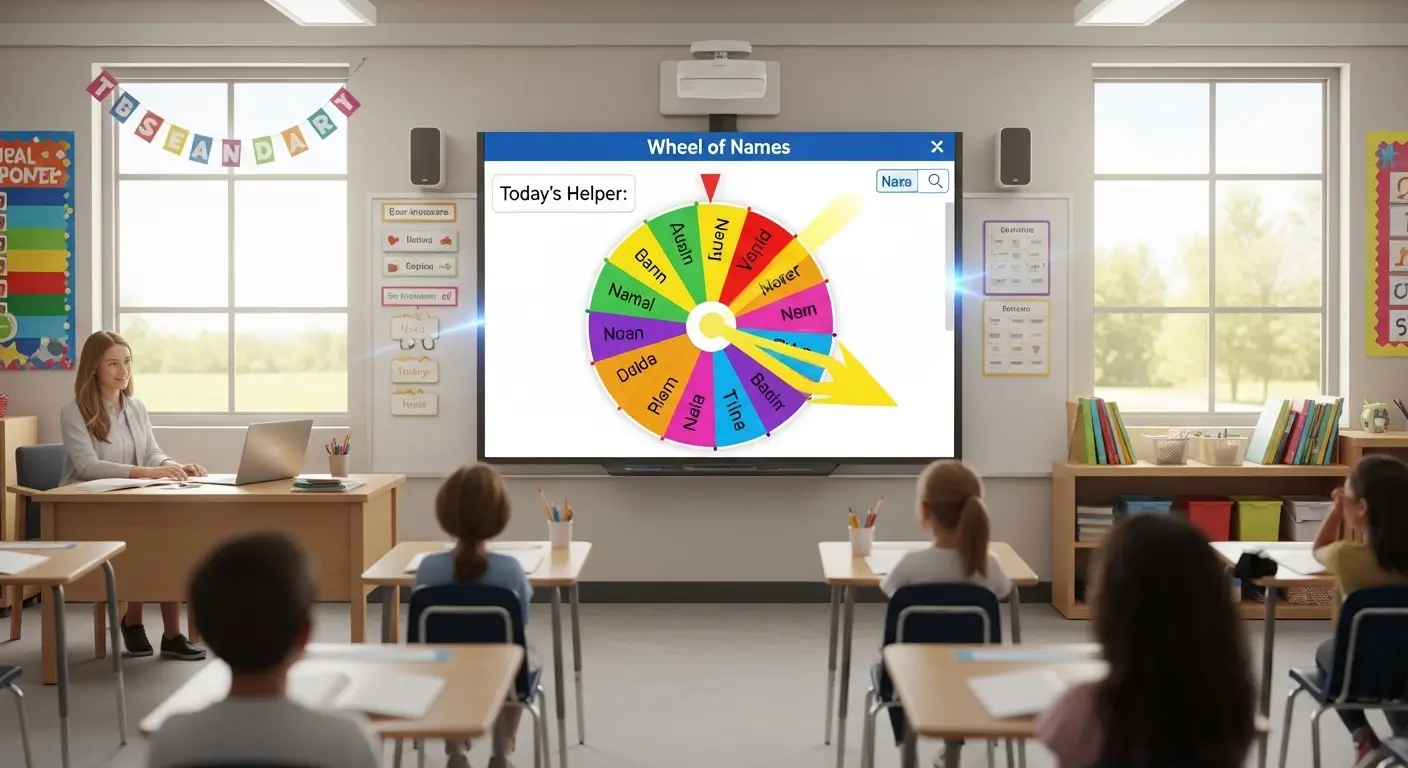
Wheel of Names Tool for Classroom Activities
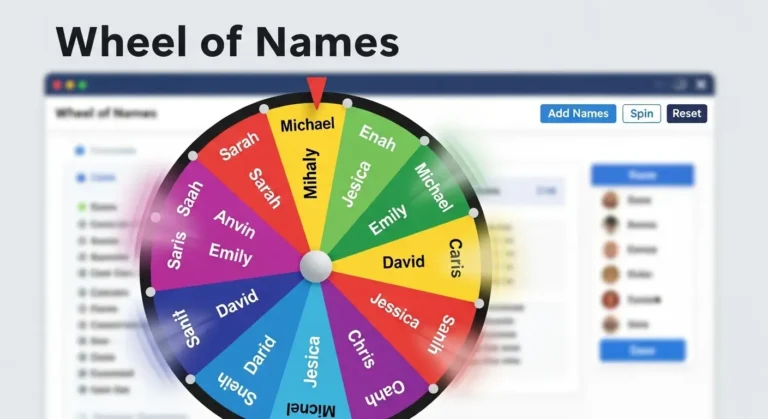
Wheel of Names is a helpful classroom tool that makes student selection, group activities, quizzes, and learning games easier to manage. Teachers can add student names, lesson topics, questions, or classroom tasks to a digital wheel and spin it to choose a random result. This keeps activities fair, simple, and more exciting for students.
In a busy classroom, small decisions can take more time than expected. Who should answer first? Which group should present next? What topic should the class review? A spinning name wheel helps teachers handle these moments quickly while keeping students engaged and involved.
What Is a Wheel of Names Tool?
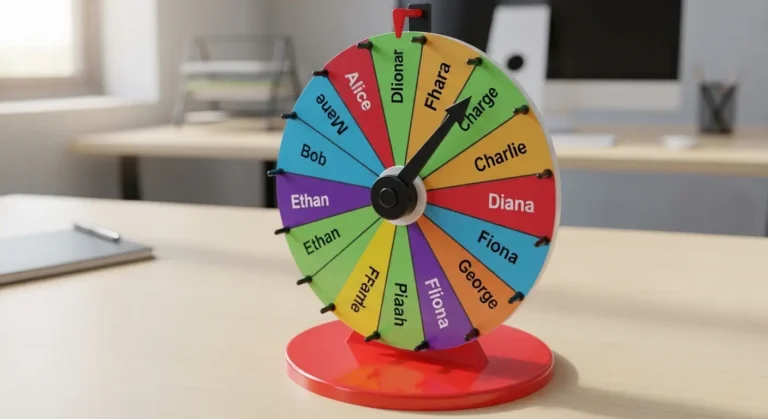
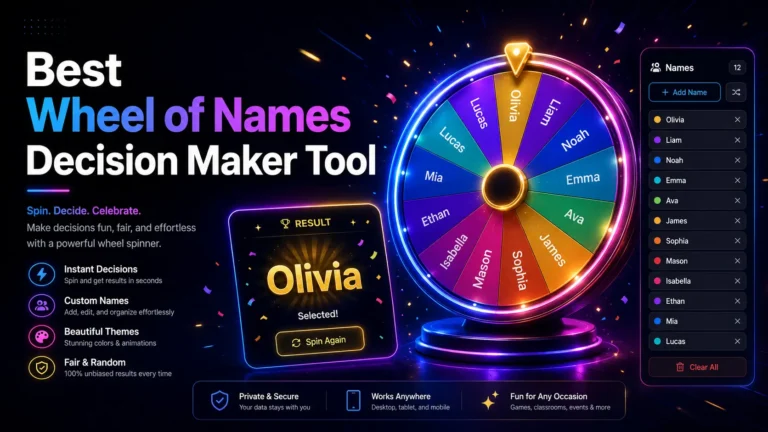
A Wheel of Names tool is an online random picker that displays names or options on a spinning wheel. Each name or entry becomes a section of the wheel. When the teacher clicks the spin button, the wheel rotates and stops on one result.
The chosen result can be a student name, a group name, a topic, a question, a classroom duty, or a reward. This makes the tool useful for many classroom activities, not just student selection.
Teachers like it because it is easy to use. Students like it because it feels fun and fair. The whole class can watch the wheel spin, which makes the selection process clear and visible.
Why Teachers Use the Wheel of Names in Classrooms
Wheel of Names helps teachers save time and make classroom choices more balanced. Instead of calling on the same students again and again, the teacher can let the wheel choose from the full list.
This is especially useful when a teacher wants more students to participate. Quiet students, confident students, and students who usually avoid speaking all get a chance to be selected.
The tool also adds energy to the lesson. A simple question round can feel more exciting when students wait to see where the wheel stops. This small moment of suspense can make learning more interactive.
Main Classroom Benefits
- It supports fair student selection
- It saves time during lessons
- It keeps students focused
- It adds fun to review activities
- It helps manage turns and groups
- It reduces repeated manual choices
- It works for names, topics, teams, and tasks
When used correctly, the tool can support better participation without putting too much pressure on students.
How Wheel of Names Works
Wheel of Names works in a simple way. The teacher enters a list, checks the entries, spins the wheel, and uses the result for the activity. The process is easy enough for beginners and fast enough for daily classroom use.
| Step | Teacher Action | Classroom Purpose |
|---|---|---|
| 1 | Add student names or options | Builds the wheel list |
| 2 | Review the entries | Removes mistakes and duplicates |
| 3 | Click the spin button | Starts random selection |
| 4 | View the result | Shows the selected name or option |
| 5 | Continue or remove entry | Helps manage more rounds |
Teachers can use the same list again or create different lists for different activities. For example, one list can include student names, another can include quiz questions, and another can include classroom rewards.
Classroom Uses for Wheel of Names
Wheel of Names can be used in many classroom situations. It is not limited to choosing one student. It can support learning, teamwork, review, speaking practice, classroom management, and fun activities.
Picking Students for Questions
One of the most common uses is choosing students to answer questions. The teacher adds all student names and spins the wheel during the lesson.
This method helps avoid choosing only the most active students. It also encourages everyone to stay ready because any name may be selected.
To make this comfortable, teachers can give students a few seconds to think before answering. They can also allow a selected student to ask a partner for help.
Choosing Reading Turns
Reading activities often need turn-taking. A random wheel can choose who reads the next paragraph, sentence, or short passage.
This keeps the activity moving smoothly. It also prevents students from arguing about whose turn it is.
For younger learners, teachers can keep reading sections short. This makes the activity less stressful and more enjoyable.
Selecting Group Leaders
Group activities work better when roles are clear. A teacher can use the wheel to pick group leaders, speakers, note-takers, or presenters.
This makes role assignment quick and fair. It also gives different students the chance to lead or speak in front of others.
Picking Review Topics
The wheel can include lesson topics instead of names. For example, a teacher may add grammar points, math problems, science terms, or history questions.
When the wheel stops, the class reviews the selected topic. This makes revision feel less predictable and more active.
Assigning Classroom Jobs
Teachers often assign small classroom duties such as collecting papers, cleaning the board, handing out materials, or organizing books. A random wheel can make these assignments feel fair.
The teacher should keep the tasks age-appropriate and simple. Students should understand that classroom jobs are part of helping the learning environment.
Benefits of Wheel of Names for Student Engagement
Wheel of Names can make students more interested in classroom activities because it creates a visible and interactive moment. Students often pay attention when the wheel spins because the result is unknown.
This can be useful during review sessions, warm-up activities, speaking tasks, and classroom games. Instead of starting with a plain list of questions, the teacher can use the wheel to add movement and surprise.
Encourages Participation
Some students speak often, while others stay quiet. A random picker can help balance participation. It gives everyone a chance without making the teacher choose manually.
This does not mean every student should be forced to answer difficult questions. The tool should be used in a supportive way. Teachers can adjust the activity based on student confidence and skill level.
Builds Classroom Energy
A spinning wheel can turn a normal task into a fun moment. Students watch the wheel, wait for the result, and react when a name or option is chosen.
This energy can help during lessons that feel slow or repetitive. It works especially well for reviews, quizzes, games, and quick classroom challenges.
Makes Learning Feel Fair
Students are more likely to accept a result when they can see the selection process. The wheel shows that the teacher is not choosing based on personal preference.
Fairness is important in classrooms because students notice patterns. A random wheel can help reduce the feeling that some students are always chosen and others are ignored.
Setting Up Wheel of Names for Lessons
Wheel of Names is easy to set up, but a clean list makes the experience better. Teachers should prepare entries before the activity starts, especially if the tool will be used during class time.
Create a Clear Student List
Start with a correct class list. Check spelling, remove extra spaces, and make sure every student who should be included is present.
If two students have the same first name, add an initial or short label. For example, “Sara A.” and “Sara M.” are clearer than two entries named “Sara.”
Use Separate Wheels for Different Activities
Different classroom activities may need different lists. A teacher can create one wheel for student names, one for topics, one for groups, and one for rewards.
This keeps the activity organized. It also saves time because the teacher does not need to edit the same list again and again.
Prepare Before Class
If possible, prepare the wheel before the lesson begins. This avoids delays and keeps the class focused.
Teachers can also test the wheel on the classroom device, projector, or smart board. The text should be readable from the back of the room.
Fair Rules for Wheel of Names Activities
Wheel of Names works best when students understand the rules. Before spinning, the teacher should explain what the result means and how the activity will continue.
Clear rules prevent confusion. They also help students trust the process.
Decide Whether to Remove Selected Names
Sometimes the selected name should be removed after one turn. This is useful when every student should get one chance before anyone is selected again.

In other activities, the name can stay on the wheel. This may be useful for quick games where repeat selection is acceptable.
Explain the Activity First
Students should know what they will do if selected. For example, they may answer a question, read a sentence, choose a partner, or lead a short task.
When students understand the activity, they feel more prepared.
Keep the Tone Positive
The wheel should not be used to embarrass students. It should support learning, fairness, and fun.
If a student feels nervous, the teacher can offer support, allow a partner response, or choose an easier question.
Creative Classroom Activities With a Name Wheel
A random name wheel can support many creative activities. Teachers can adjust it for different subjects, grade levels, and learning goals.
Vocabulary Review
Add vocabulary words to the wheel. When a word is selected, students can define it, use it in a sentence, spell it, or give an example.
This works well for language classes, science terms, history words, and reading lessons.
Math Practice
Add math problems, numbers, or topic labels such as fractions, decimals, multiplication, or geometry. Students can solve the selected problem or explain the method.
The teacher can also add student names to choose who answers.
Speaking Practice
For speaking activities, add question prompts to the wheel. Examples include “Describe your favorite book,” “Talk about your weekend,” or “Explain your opinion.”
This helps students practice speaking in a structured but interesting way.
Team Games
Add team names or group numbers to the wheel. Spin to decide which team answers first or which team chooses the next category.
This keeps team games fair and organized.
Reward Activities
Teachers can add small classroom rewards such as “choose a brain break,” “pick a review game,” or “earn a bonus point.” Rewards should be simple and suitable for the classroom.
Wheel of Names for Different Subjects
Wheel of Names can be adapted to almost any subject. The key is to match the wheel entries with the lesson goal.
| Subject | Wheel Entry Ideas | Activity Example |
|---|---|---|
| English | Words, prompts, student names | Define a word or read aloud |
| Math | Problems, numbers, topics | Solve the selected problem |
| Science | Terms, questions, experiments | Explain a concept |
| History | Dates, events, people | Describe the selected event |
| Art | Colors, styles, themes | Create a quick sketch idea |
| Physical Education | Exercises, teams, turns | Pick the next activity |
This flexibility makes the wheel useful for many teaching styles and classroom needs.
Common Mistakes to Avoid
A classroom spinner is simple, but small mistakes can affect the experience. Teachers can avoid problems by planning ahead.
Using an Unchecked List
Always review the list before spinning. Missing names, duplicate entries, or spelling mistakes can lead to confusion.
If a student is absent, remove the name before starting the activity.
Making Students Feel Pressured
Random selection should not create fear. Avoid using the wheel only for difficult questions or public correction.
Use it for friendly participation, warm-ups, review games, and balanced classroom involvement.
Changing Rules After the Spin
Changing the rules after a result appears can feel unfair. Decide the rules before spinning and follow them consistently.
Overusing the Tool
The wheel is useful, but it should not be used for every classroom decision. Use it when random selection adds value, fairness, or engagement.
Online Spinner vs Traditional Classroom Selection
Teachers have many ways to choose students or activities. A random wheel is one option, but it should be used where it fits best.
| Method | Best Use | Main Benefit | Possible Limit |
|---|---|---|---|
| Online spinner | Names, topics, games, tasks | Visual and engaging | Needs a device |
| Popsicle sticks | Student selection | Simple and physical | Less flexible |
| Hand raising | Voluntary answers | Builds confidence | Same students may answer |
| Seating order | Reading turns | Easy to follow | Predictable |
| Teacher choice | Targeted support | Allows judgment | Can feel biased |
A good teacher may use several methods. The wheel is most helpful when the goal is fairness, variety, and engagement.
Privacy and Safety in Classroom Use
Classroom tools should be used carefully. Teachers should avoid adding private student information to any public screen.
Use first names, initials, nicknames approved by the class, or student numbers when needed. Do not add full personal details such as addresses, phone numbers, private emails, or sensitive notes.
If the wheel is displayed on a projector, make sure the information is appropriate for everyone to see. For younger students, simple labels may be better than full names.
Best Practices for Teachers
Wheel of Names gives better results when it is used with clear planning and a supportive classroom approach.
Keep Entries Short
Short names and labels are easier to read on the wheel. Long entries may look crowded, especially on small screens.
Use It With a Learning Goal
The tool should support the lesson. Before using it, decide whether it will help with participation, review, speaking, teamwork, or classroom management.
Give Students Support
If a selected student struggles, offer hints or allow a classmate to help. The goal is learning, not pressure.
Rotate Activity Types
Use the wheel in different ways. One day it can pick students. Another day it can pick topics, questions, or teams. This keeps the tool fresh.
Review Results Fairly
If the same student is selected often by chance, consider using a remove-after-selection option for some activities. This helps spread participation across the class.
FAQ About Classroom Name Wheels
What is Wheel of Names used for in the classroom?
Wheel of Names is used to pick students, topics, teams, questions, classroom jobs, or activity turns. It helps teachers make quick and fair random selections during lessons.
Is Wheel of Names fair for student selection?
Yes, it can be fair when every student is added correctly and duplicate names are removed. Teachers should also explain the rules before using the wheel.
Can Wheel of Names help shy students participate?
Yes, it can support balanced participation when used gently. Teachers should give thinking time, offer hints, and keep the activity positive so shy students feel safe.
How should teachers prepare Wheel of Names before class?
Teachers should add the correct names or options, check spellings, remove absent students, and test the display. A clean list helps the activity run smoothly.
Can a classroom wheel be used for subjects besides student names?
Yes, it can include vocabulary words, math problems, science terms, reading prompts, rewards, teams, or discussion topics. This makes it useful for many lessons.
Conclusion
Wheel of Names can make classroom activities more fair, organized, and engaging for students. It helps teachers pick names, assign turns, choose topics, create groups, and manage learning games without wasting time or creating confusion.
For the best classroom experience, prepare a clean list, remove duplicate or absent names, explain the rules before spinning, and keep the activity positive. When used with care, this simple tool can support better participation, smoother lessons, and a more active learning environment.